
Last year around this time, the internet briefly worried/hoped that the New York Times innovation report would lead the paper to become more like Buzzfeed. That didn’t happen—or did it? The Gray Lady has not become obsessed with viral stories or replaced page A1 with its Twitter feed, but it did run a Sunday op-ed titled What You Learn in Your 40s. It’s nice. Its premise is also remarkably similar to this Buzzfeed listicle, or this one, as well as this one and these. The difference is that the Times essay is built around a tone of humorous reflection rather than GIFs from Friends, and it’s about being 40 instead of 20.

Friday links! Maybe you should be funnier edition
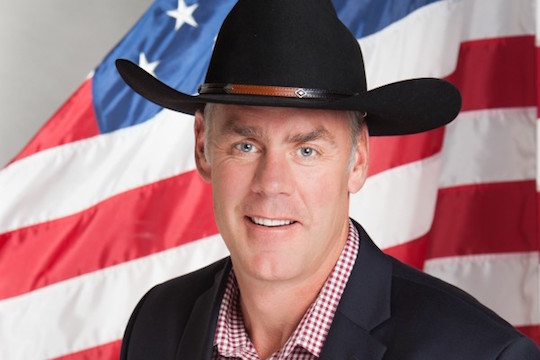
Yesterday in the comments section, one Cookie Greene brought my attention to a grievous error in this week’s Indy column. I said Rep. Ryan Zinke (R–MT) had not previously revealed his military service record, when in fact he “mentioned it in nearly every ad on TV during his campaign and at every talk he did traveling the state.” I don’t know how that escaped me, since it was obvious to everyone else, but here we are. It’s probably because I’m not a Montanan. Touché, Cookie. Today is Friday, and it’s funny because it’s true. Won’t you join me in trying to be a little more honest?
Correcting POTUS, Zinke reveals military service
Last week, Montana’s own Ryan Zinke celebrated his first month as a congressman by correcting the President. Obama was mistaken to think his proposed operation against ISIS could be successful without large-scale ground operations, Zinke said to pretty much any news outlet that would listen. In doing so, he also dropped a thunderbolt: Ryan Zinke used to be in the Navy. I think I speak for all Montanans when I say that I am shocked to learn of this chapter in his life. It’s no wonder Zinke never mentioned his military service, though, what with America’s pervasive bias against the troops. The only way to restore respect for the men and women of our armed services is to get them into combat immediately, before our quick successes in Iraq and Afghanistan convince the public that war is something anybody can do. That’s my argument in this week’s column for the Missoula Independent, and I’m sticking to it. Probably, this one will cost me some readers. Not you, though—we’ll both be back here tomorrow for Friday links. Right?
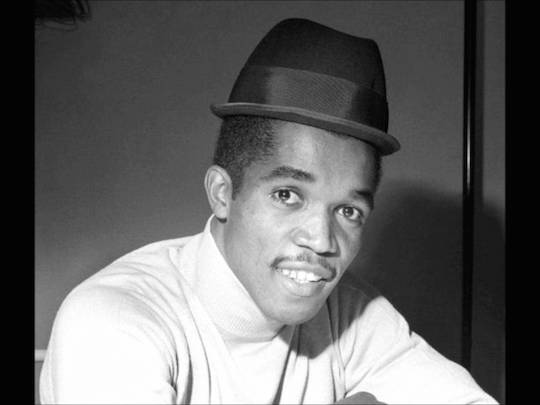
In landmark ruling, Judge Dread sentences rude boy to 400 years
By the time you read this, I’ll be famous. I assume that everyone else on the internet also spent the last few weeks listening to Prince Buster, and this blog post about his influence on The Specials will go viral instantly. Probably, the Combat! blog server has already crashed, and this essay is now hosted by NASA. In case you live in Iraq or something and don’t know the central elements of western culture: Prince Buster was a musician during the first wave of Jamaican ska in the 1960s. The Specials were a band during the 2-Tone ska revival in late-seventies London. They relate to each other much as the individual relates to the culture he or she inherits, echoing Ortega y Gasset’s construction of modernity. Video after the jump.
Is social media a fundamentally censorious culture?
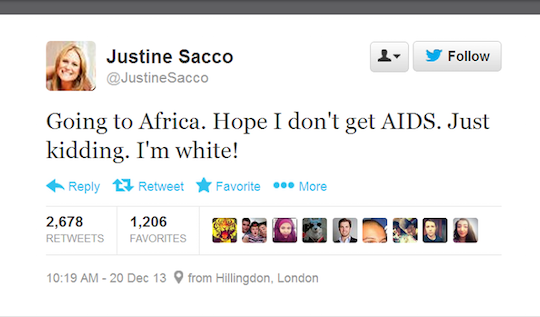
You should follow Willy Staley on Twitter, not just because he is responsible for the best thing that happened to my career in 2014, but also because he has coined the phrase “digital Manichaeism.” He was referring, in part, to this amazing story about Justine Sacco in the New York Times. Flying to South Africa to visit family for the holidays, she tweeted the above ill-considered joke to her 170 followers before she got on the plane. By the time she landed, she had been fired from her job and was the number-one trending topic on Twitter. Sacco became the focus of social media’s robust shaming culture, and it blew up her life.