Friday links! Amazing America edition

httpv://www.youtube.com/watch?v=HQzDqM0XbFM

That right there is the theme song to Sarah Palin’s new show Amazing America, which presumably celebrates everything great about the United States—including, at :59, “the dogs and the horses and the trucks and the guns.” Finally, basic cable is giving dogs and horses the credit they deserve. As one commenter put it:

Speaks straight from the GUT!  The way it is presented it gives us ALL a DEEP SENSE OF PRIDE!  Isn’t it a gift from our God when each can take PRIDE not necessarily only from what we have done but love the PRIDE we have in sharing ALL INCLUSIVE OF EACH THAT HAS THEIR PRIDE AND SATISFACTION OF GIVING TO OUR GIFT TO AN “AMAZING AMERICA!”

Today is Friday, and it’s high time we all took pride not necessarily in doing things, but in proudly including ourselves in the satisfaction of giving our gift to America, which is us. Won’t you speak from the gut with me?
Continue reading

Pittsburgh rappers arrested for lyrics

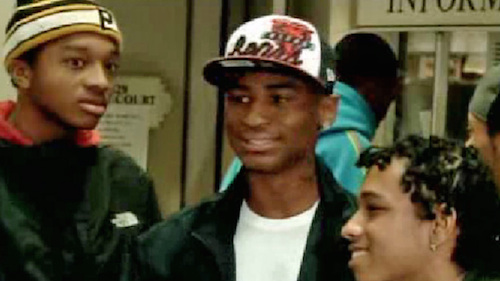
Jamal Knox, Rashee Beasley and another unidentified person, in a grainy photo with no cutline courtesy of KDKA Pittsburgh

Jamal Knox, Rashee Beasley and another unidentified person, in a grainy photo with no cutline courtesy of KDKA Pittsburgh

Remember when Johnny Cash went to prison for confessing to a Reno-area murder in “Folsom Prison Blues?” I’m joking, of course: Johnny Cash was white. In unrelated news, two Pittsburgh rappers have been found guilty of intimidation of witnesses, conspiracy and making terroristic threats on the basis of a rap video posted on YouTube. Jamal Knox and Rashee Beasley are rappers in the same sense that they are adults, which is to say technically. But they did rap about violence against police officers in a song that mentioned two Pittsburgh cops by name. Both were sentenced to prison by Judge Jeffrey Manning, in what the Times calls a nationwide trend of prosecutors using rap lyrics as evidence in criminal trials.

Continue reading

Do corporations get religious freedom?

Still less trouble than the gun lobby

Still less trouble than the gun lobby

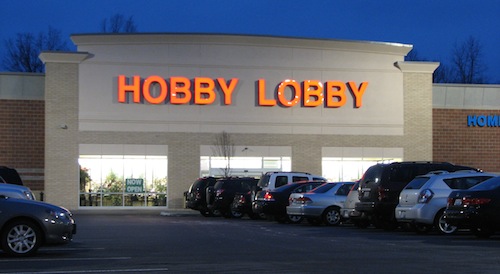
The Supreme Court is now hearing arguments that corporations can opt out of the Affordable Care Act’s requirement to cover employee contraception on the basis of their sincerely held religious beliefs. In addition to a Mennonite cabinet maker, the Hobby Lobby chain has brought suit against the government, arguing that the morning-after pill and IUDs constitute abortion in their understanding of Christianity. Federal law already prohibits anyone from making employers to pay for abortions. An appeals court already ruled in favor of Hobby Lobby, citing Citizens United v. FEC in its determination that corporations enjoy freedom of religion in the same way they get freedom of speech.

Continue reading

Obama to end NSA phone data collection

The NSA

The NSA

Good news, you guys terrorists: the foreign intelligence surveillance court order that authorizes the NSA to collect calling data on every American expires Friday. Also, ambiguous news, you guys: President Obama plans to ask FISA to extend the program for another 90 days, but he will also ask Congress to end it. The secret domestic surveillance program that for the last decade has been totally legal and okay will go away now that we know about it. I’m pretty sure that means the terrorists won. Thanks a lot, Edward Snowden.

Continue reading

“‘It’s me,’ someone says. It takes a moment to realize the words came from me.”

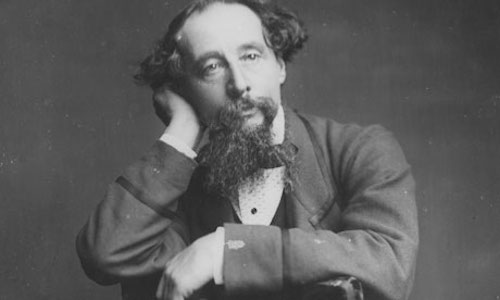
Charles Dickens, who would love Wattpad except for the part where he doesn't get paid

Charles Dickens, who would love Wattpad except for the part where he doesn’t get paid

The heading of this post is a quote from After 3, an online novel by Anna Todd serialized on Wattpad. I apologize for my poor scholarship, but I can’t tell if After 3 is the third part of one long novel titled “After” or the second sequel to the original. I’m new to this whole Wattpad thing, which I discovered via this article in the New York Times. It likens Wattpad to the serial fiction that dominated 19th-century literature, particularly in England. Like “The Old Curiosity Shop,” Wattpad novels progress in installments, reaching their readers not long after being written. Unlike “The Old Curiosity Shop,” no one gets paid for writing them. But readers can comment, so net improvement.

Continue reading