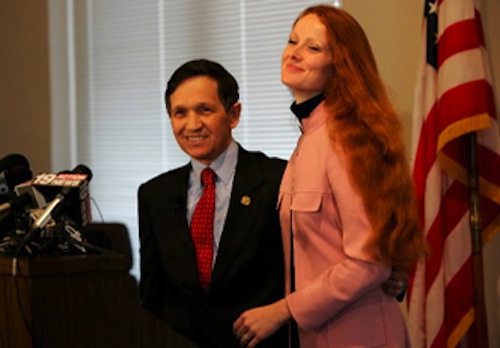
Good news for the drunk ghost of John C. Calhoun: the state of Florida, previously known as the place that combines the hypersexual narcissism of California with the bugs of Nicaragua, is now also the new hot spot for nullification. You remember nullification, right? The 19th-century political theory that reserved for individual states the right to declare federal laws unconstitutional? Originally used to protest the so-called Tariff of Abominations of 1828 and 1832? Jesus, it’s like none of you is currently enrolled in sophomore history. It’s also like no one in the Florida state legislature is doing that, either, since the senate just proposed an amendment to the state constitution that would exempt Florida residents from the Affordable Health Care Act’s individual coverage mandate. Don’t worry; it passed. Props to Ben “Bang!” Gabriel for the link.
Author: Dan Brooks
Belief in free will correlates with honesty, hard work

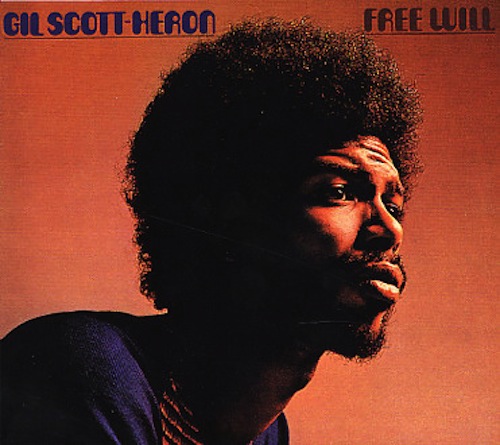
This post has nothing to do with the Gil Scott Heron album. You'll just have to wait until tomorrow, I guess.
Don’t get discouraged by the first paragraph of this John Tierney editorial. When I read the sentence, “suppose Mark and Bill live in a deterministic universe,” I thought I had accidentally clicked on David Brooks and was about to read 750 words about how Mark is a hardworking small business owner, Bill is an Ivy-League professor, and their opinions about NASCAR are going to decide the 2012 election. Fortunately, though, Tierney is not a smug panderer out to steal your last McNugget. Instead, he has written a thoughtful column about the problem of free will that links to actual scientific studies, including this one suggesting that belief in free will correlates with hard work. Tierney concludes that, “The more that researchers investigate free will, the more good reasons there are to believe in it.” This argument is totally unconvincing, of course. You can’t choose to believe in free will just because it might make you more successful, in the same way you can’t choose to believe you’re stunningly attractive just because it will make you more confident on dates. And like that, we arrive at one of the fundamental problems of free will.
Dennis Kucinich makes everyone sad, again
Like a Keebler elf who knows cookies are really bad for you, Dennis Kucinich (D-OH, net worth $17,000) has once again made his party sad by telling the truth. The former presidential candidate and lifetime buzzkill pointed out yesterday that President Obama had authorized the use of military force in Libya without the approval of Congress and thus violated the constitution. “President Obama moved forward without Congress approving,” Kucinich told Raw Story. “He didn’t have Congressional authorization, he has gone against the Constitution, and that’s got to be said.” He has a point—although it is of course the same point he made about the Iraq and Afghanistan wars under George W. Bush, plus various interventions under Clinton. The President cannot order military attacks without the approval of Congress, except in cases of imminent threat to the United States. Recognizing along with the world community that Muammar Gaddafi is a dickhole is not imminent threat. For that reason, Kucinich said, ordering air strikes against Libya without congressional approval was an impeachable offense. Cue awkward silence throughout Democratic strategy conference call.
Tactics of Argument: TFD
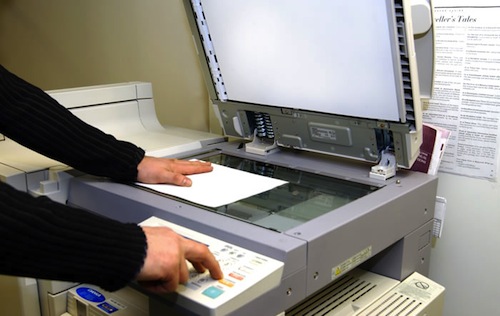
If you’re reading this, Combat! blog has mystically unbroken itself after prosecuting some sort of sympathy strike with AT&T’s cellphone architecture and Japanese reactor coolers for the better part of the day. Form follows function in this case, since today’s post is about both technology and relentless uncooperation. Ben “The Angle” Gabriel sent me this transcript from a trial in Ohio last year, in which Lawrence Patterson—then head of information technology for the recorder’s division of the Cuyahoga County fiscal office—claims not to know what a photocopier is. He obviously does, of course, but he has to be made to admit that before opposing counsel’s argument can move forward. Thus we observe a classic Tactic of Argument colloquially known as TFD.
Friday links! Logical next steps edition
This photo of one of several hipster traps to appear recently around New York was sent to me by Big Game, and it clearly represents a new epoch in the nebulous socio-aesthetic construction that is hipsterdom. First of all, I bet I could get that beer out of there without getting my hand caught. Second of all, the best part about irony is that you can even use it on irony. Once you do, your newly ironic approach to your previously sincere experience of irony seems like the only reasonable perspective. It’s the logical next step, even though it is prima facie absurd, and the paradox between these two understandings of the same relation can be resolved by noting that, oh yeah, the thing you did in the first place was absurd, too. This week’s link roundup is full of such progressions, in which logic demands more absurdity from absurdity. It’s the inductive narrative of history, and it’s happening all around us—even to Glenn Beck. When’s somebody going to make a trap with a Bible, an airplane bottle of scotch and a Ho-Ho in it?